


Plywood is a material that is applied in many different fields, in which marine plywood is the top rated in the plywood industry in particular and industrial wood in general. So why are they so favored? Let us explore marine plywood in detail: outstanding characteristics, practical application in shipbuilding and construction, and comparison with other plywood on the market
Marine plywood is a premium-grade material designed and manufactured through specialized processes. According to the APA – The Engineered Wood Association, marine-grade plywood is typically made from Douglas fir or Western pine. The association also sets specific standards for this type of plywood, ensuring its durability and suitability for demanding environments:
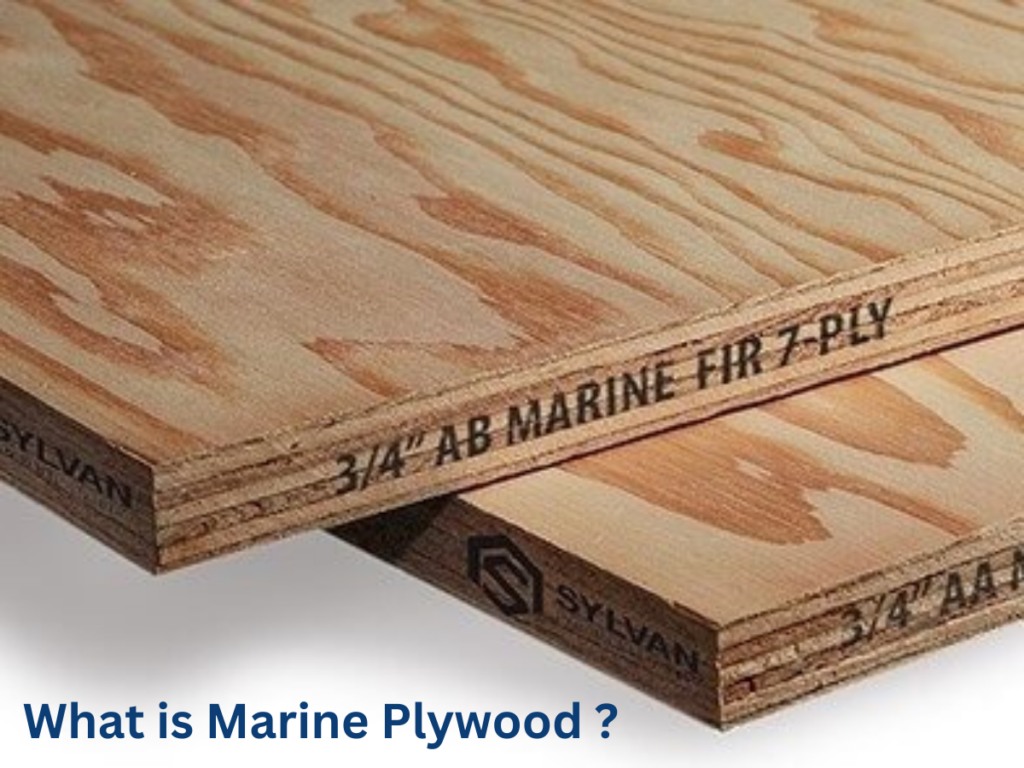
- Water resistance: Marine plywood uses phenolic or melamine adhesives, meeting Boiling Water Proof (BWP) standards. This ensures the material remains undamaged even after prolonged boiling water exposure
- Pest and mold resistance: The plywood is treated with anti-termite and anti-mold agents to protect the wood structure from biological degradation caused by pests and fungi
- Strength and load-bearing capacity: The plywood must have a tensile strength of over 40 MPa and a bending strength of at least 18 MPa, allowing it to withstand heavy loads without deformation
- Wood quality: The wood used must be free from defects such as cracks or dents and remain stable without warping or deforming under changes in humidity or temperature
- Protective coating: Marine plywood features a UV-resistant and waterproof coating, safeguarding the surface against UV rays and water penetration
- Size and thickness: Standard dimensions are 1220mm x 2440mm, with thicknesses ranging from 6mm to 25mm, depending on the application. The panels must maintain flatness and resist warping
Structure of marine plywood
Similar to regular plywood, marine treated plywood is composed of three main components: the surface, core, and adhesive. Each of these components is carefully selected and manufactured according to the strict standards set by APA to ensure the product meets high-quality standards and is suitable for use in harsh environments
Surface
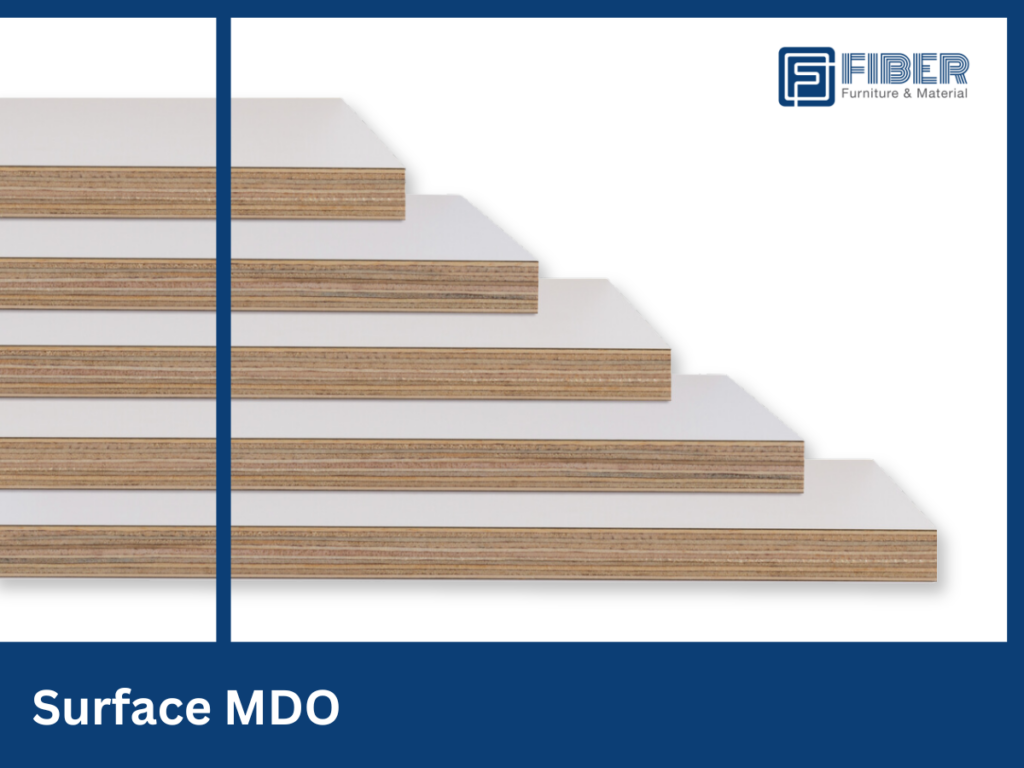
The surface is divided into three main grades: AA, AB, and BB, each with different levels of quality. The surface can be sanded or coated with HDO or MDO
- MDO (Medium – density overlay): This is a plastic overlay with a minimum resin content of 27%, creating a smooth, glossy surface that can be painted. This coating gives the plywood excellent water resistance and reduces weathering caused by environmental exposure. It is a popular choice for outdoor applications
- HDO (High – density overlay): Similar to MDO, HDO is also a plastic overlay, but with a higher resin content. As a result, HDO marine plywood has superior durability, better water resistance, and higher wear resistance. It is ideal for harsh environments such as marine applications or areas with high humidity
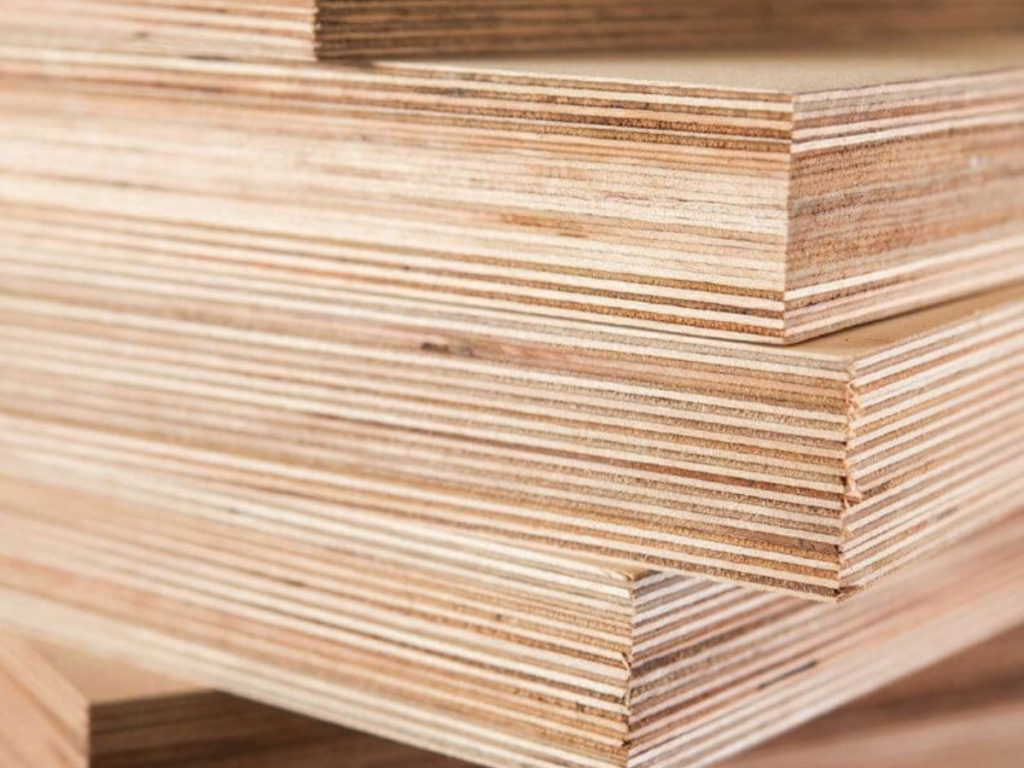
Core plywood
To ensure superior water resistance, the adhesive used in marine-grade plywood is typically a special type such as phenolic resin or melamine glue. These adhesives not only enhance the plywood’s ability to withstand water but also create a strong bond between the layers of wood, preventing delamination and maintaining the plywood’s durability under harsh conditions
Adhesive
The core of marine plywood is made up of several thin layers (plies) that are sliced from Douglas fir or Western pine trees. These layers are stacked at right angles to each other, enhancing the plywood’s strength and stability. Typically, the plywood consists of 3 to 7 layers, depending on the thickness of the panel
Features of marine plywood
Compared to other types of plywood, marine plywood has several remarkable characteristics:
- Water resistance: This is the most significant differentiating factor of waterproof engineered wood compared to regular plywood. With exceptional water resistance, this type of plywood does not swell or crack when exposed to water for extended periods. This is due to the use of phenolic or melamine adhesives, which prevent water from penetrating the wood layers
- Strength and durability: boat plywood is designed to endure heavy loads without warping or deformations under environmental stress. Through a specialized pressing process, marine plywood can withstand strong impacts and does not bend when exposed to salty water, significantly extending the lifespan of structures made from it
- Termite resistance: The standard production process, including drying, cold pressing, and hot pressing, reduces the natural moisture in the plywood, minimizing the risk of termites and swelling, ensuring that the wood remains in good condition
- UV and weather resistance: In addition to being water-resistant, the HDO or MDO overlays also provide protection against the effects of rain, wind, and other harsh weather conditions. This makes marine plywood ideal for outdoor use where exposure to the elements is inevitable
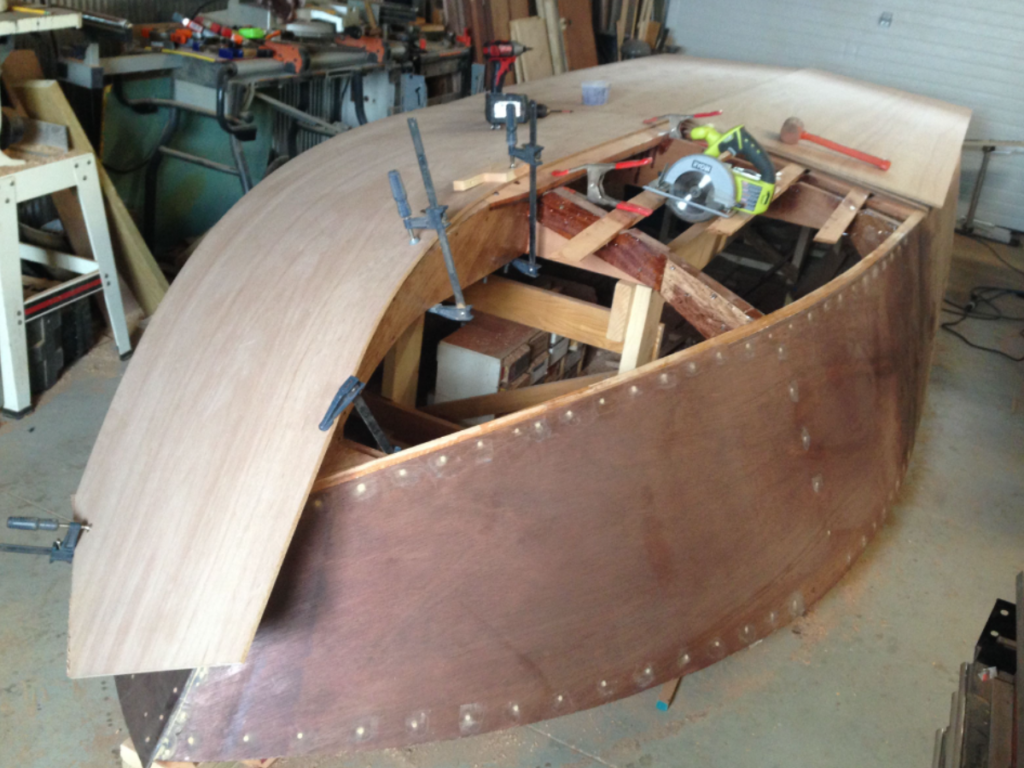
Applications of marine plywood in various fields
With its outstanding characteristics, marine-grade plywood is not limited to shipbuilding but is also widely used in various industries:
- Shipbuilding and maritime industry: Boat building plywood is used for making floors, walls, and other components that are directly exposed to water. Its saltwater-resistant properties help boats and ships maintain long-term durability, reducing maintenance and repair costs
- Coastal and outdoor construction projects: This plywood maintains its aesthetic and structural integrity even when exposed to water and sunlight, making it an ideal choice for outdoor applications such as dock floors, piers, playgrounds, and coastal structures
- Container and cargo box manufacturing: Due to its water resistance, boat plywood is also used in the production of containers and boxes for long-distance transportation. Particularly for goods that need to be protected from moisture, this plywood helps keep the cargo safe
- Other applications: Marine plywood is also used for making exterior decorative products and high-load-bearing wooden components that require aesthetic value and water resistance
Comparison of marine plywood with other types of industrial plywood
Marine plywood is known for its excellent water resistance. However, it is often confused with regular plywood due to this shared characteristic. The following comparison table will help clarify the differences between each type of industrial plywood:
|
Criteria
|
Marine plywood
|
Regular plywood
|
MDF
|
HDF
|
|---|---|---|---|---|
|
Structure
|
Core made of orthogonal wood layers (LVD), bonded with Phenol Formaldehyde glue
|
Core made of either parallel or perpendicular layers, bonded with medium-quality glue (UF or MR)
|
Fine wood fibers mixed with synthetic resin glue
|
Wood fiber is ground finer than MDF, pressed under high pressure
|
|
Water resistance
|
Exceptional water and moisture resistance, suitable for marine environments and high humidity conditions
|
Poor water resistance, prone to swelling if exposed to water for long periods
|
Poor moisture resistance, tends to expand when exposed to humidity
|
Better water resistance than MDF but not as good as marine plywood
|
|
UV resistance
|
HDO/MDO coating or phenolic resin film provides effective UV protection
|
No dedicated UV coating, prone to degradation when used outdoors
|
No UV resistance, suitable for indoor use only
|
Better UV resistance than MDF but still limited for outdoor use
|
|
Mechanical strength
|
Good load-bearing capacity, resistant to warping and shrinking due to the laminated core structure
|
Lower strength, prone to warping when used in inappropriate conditions
|
Low strength, prone to breaking under heavy impact
|
Better than MDF, suitable for high-strength interior application
|
|
Workability
|
Can be easily cut, drilled, and surface-finished, suitable for various applications
|
Similar to marine plywood but with lower abrasion resistance
|
Easy to process, smooth surface, but not as durable as plywood
|
Easy to process, ideal for premium interiors due to its smooth surface and good load-bearing capacity
|
|
Main applications
|
Outdoor constructions, marine environments, shipbuilding, truck floors, moisture-resistant furniture
|
Indoor furniture, general wooden items
|
Indoor furniture, decorative items not subject to heavy loads
|
Premium interiors, engineered wood floors, applications requiring a smooth surface and good load-bearing capacity
|
|
Price
|
Higher due to material quality and standard manufacturing process
|
Lower cost, suitable for standard applications
|
Cheaper, suitable for low-cost products that do not require high durability
|
Higher than MDF, suitable for premium and more durable products
|
|
Environmentally friendly
|
Uses unmodified phenolic resin, low formaldehyde emissions, more environmentally friendly
|
May contain higher levels of formaldehyde depending on the adhesive used
|
Formaldehyde emissions are at a medium level, not ideal for the environment
|
Similar to MDF but may have lower emissions due to higher density and less adhesive
|
How to choose high - quality marine plywood
- Check wood quality and adhesives: Choose products from reputable suppliers with clear origin details
- Quality standards: Look for international certifications regarding wood origin, manufacturing standards, water resistance, and plywood durability
- Thickness and size: Select the thickness appropriate for your practical needs (used as boat building plywood, flooring, etc.)
- User feedback: Consider reviews from those who have used the plywood in similar projects
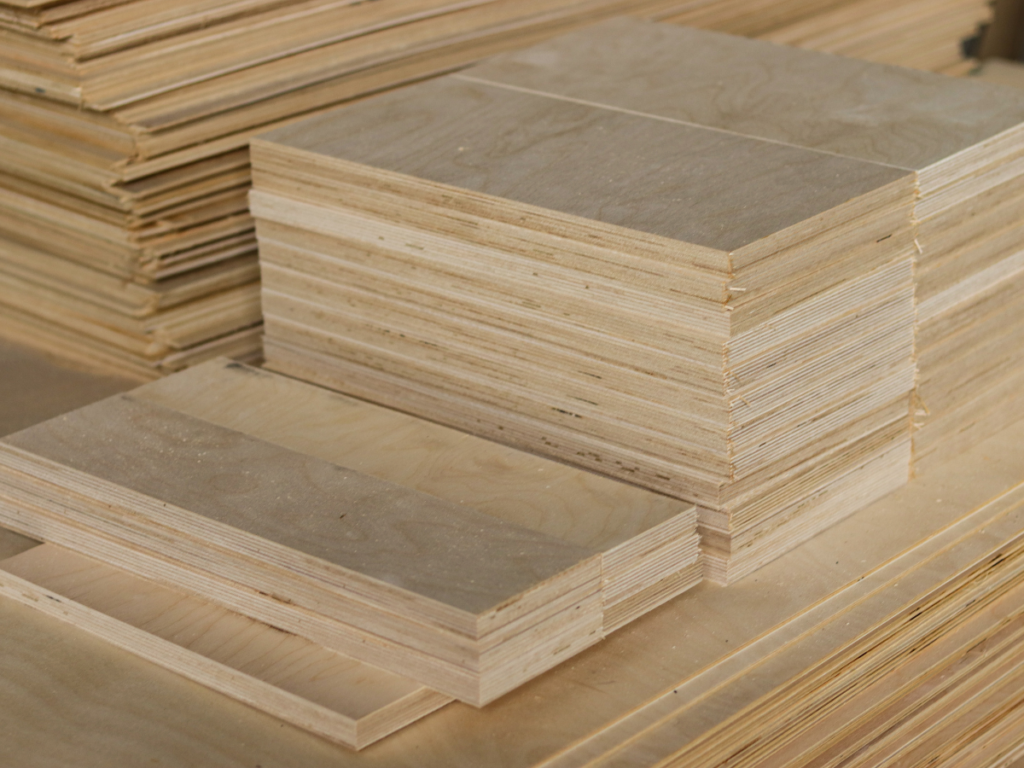
Guide to proper storage of marine plywood
To ensure the plywood maintains its long-term durability, follow these storage tips:
- Flat and elevated: Plywood should be stored flat and elevated off the ground. Avoid placing it directly on concrete or other surfaces that can absorb moisture
- Regular Inspections: Monitor for signs of termites or cracks and take prompt action if necessary
- Surface Protection: Apply paint or water-resistant coatings to enhance the water resistance of the plywood surface
With exceptional properties like waterproof plywood, load-bearing capacity, and durability in harsh environments, marine treated plywood is not only the optimal choice for outdoor constructions but also a cost-effective solution for maintenance and longevity. With a strict manufacturing process and specialized waterproof adhesives, Fiber Wood’s marine plywood is fully confident in providing customers with high-quality products !


