Bendable plywood is known as a popular material in aesthetic furniture. Not only flexible in design, bendable plywood also has many outstanding advantages. Let Fiber Wood guide you through the applications of bendable plywood in interior design below
Main content
What is bendable plywood?
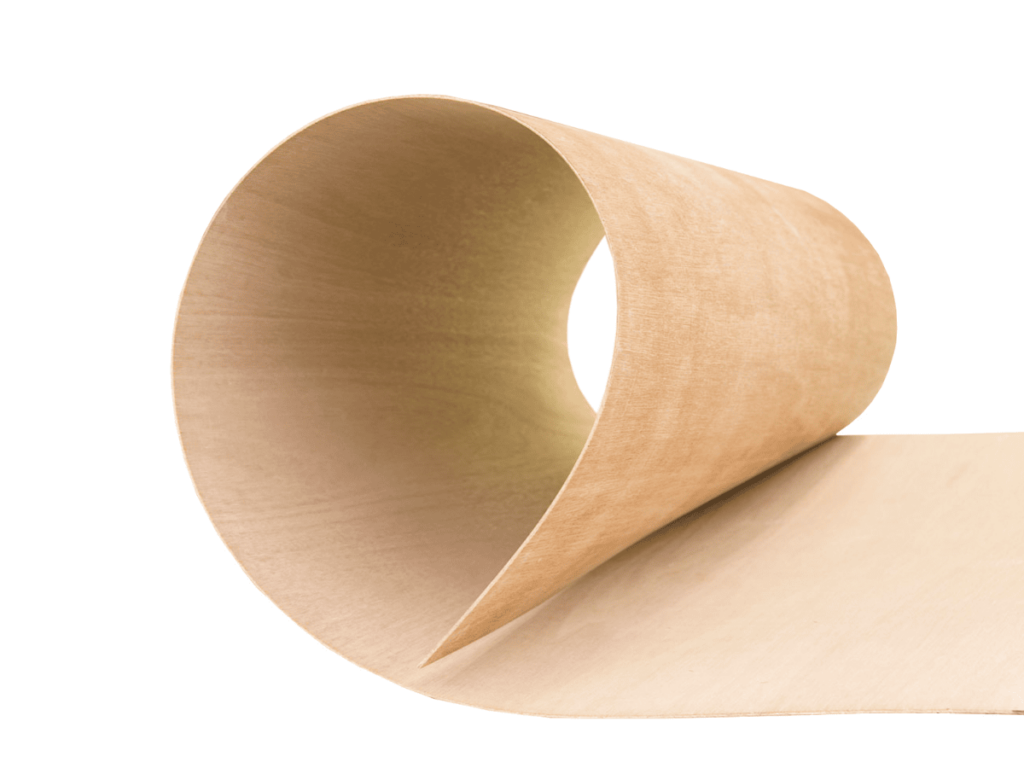
Bendable plywood is a specialized type of plywood with a unique structure that allows it to bend into various shapes without cracking, breaking, or losing its mechanical properties. This material is favored in furniture manufacturing and architectural projects, offering high aesthetic value and versatile applications
What is bendable plywood?
Bendable plywood is made up of multiple thin veneer layers stacked on top of one another. Depending on the arrangement of these layers, the plywood exhibits varying degrees of flexibility. Among these structures, LVL (Laminated Veneer Lumber), featuring veneers aligned in the same direction, is highly flexible and widely used in creative interior and architectural designs
The bending capability of plywood is inversely proportional to its thickness. Specifically, the thinner the plywood, the easier it is to shape into unique forms. However, thinner sheets have lower strength and load-bearing capacity. Therefore, it is essential to determine the specific requirements and characteristics of each project to select the most suitable plywood thickness for optimal results
Plywood's ability to bend depends on its thickness
With its ability to blend form and function, bendable plywood is an excellent choice for those seeking innovative solutions for interior spaces. Whether for furniture pieces or architectural elements, this material ensures durability, beauty, and adaptability for any project
Methods for bending plywood
In the past, wood was primarily associated with characteristics like rigidity, hardness, and strength. However, modern technology and techniques have freed wood from these limitations. Bendable plywood is one of these innovations, offering extensive applications due to its high flexibility. Below are some of the most common techniques for bending plywood:
Kerf cutting
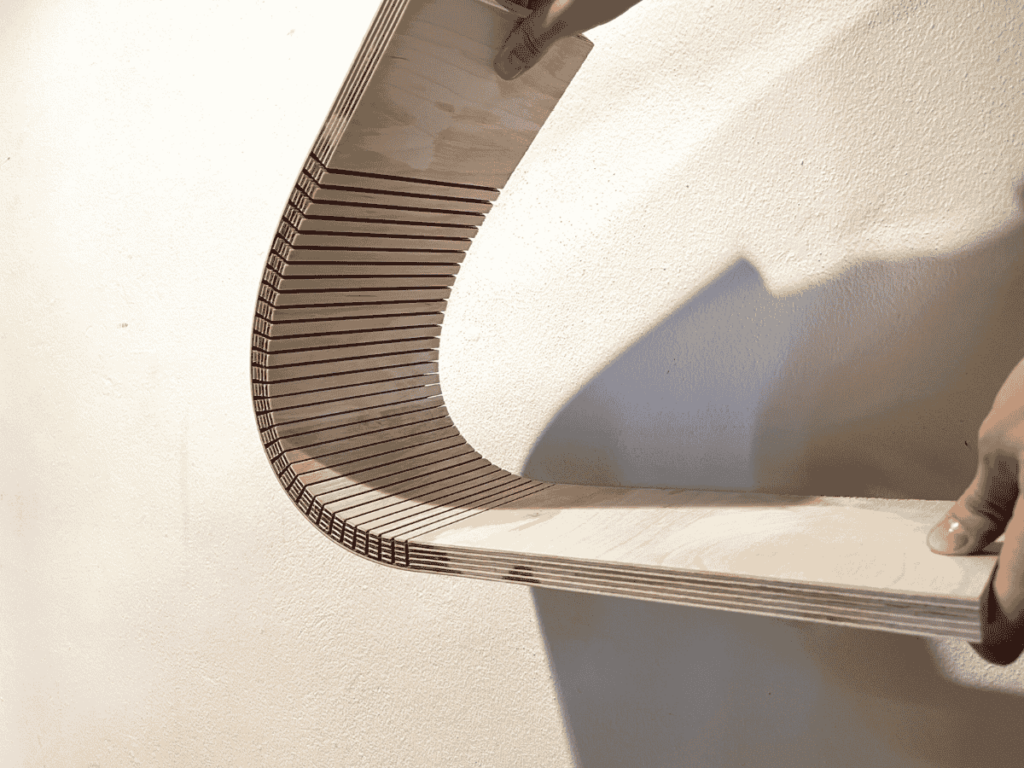
Kerf cutting involves making a series of parallel cuts along the back of the plywood. This technique removes part of the material, making the wood more pliable and easier to bend. It is crucial to calculate the depth and spacing of the cuts accurately to achieve a smooth curve without breaking or compromising the plywood’s structure
Kerf cutting method
Cold bending
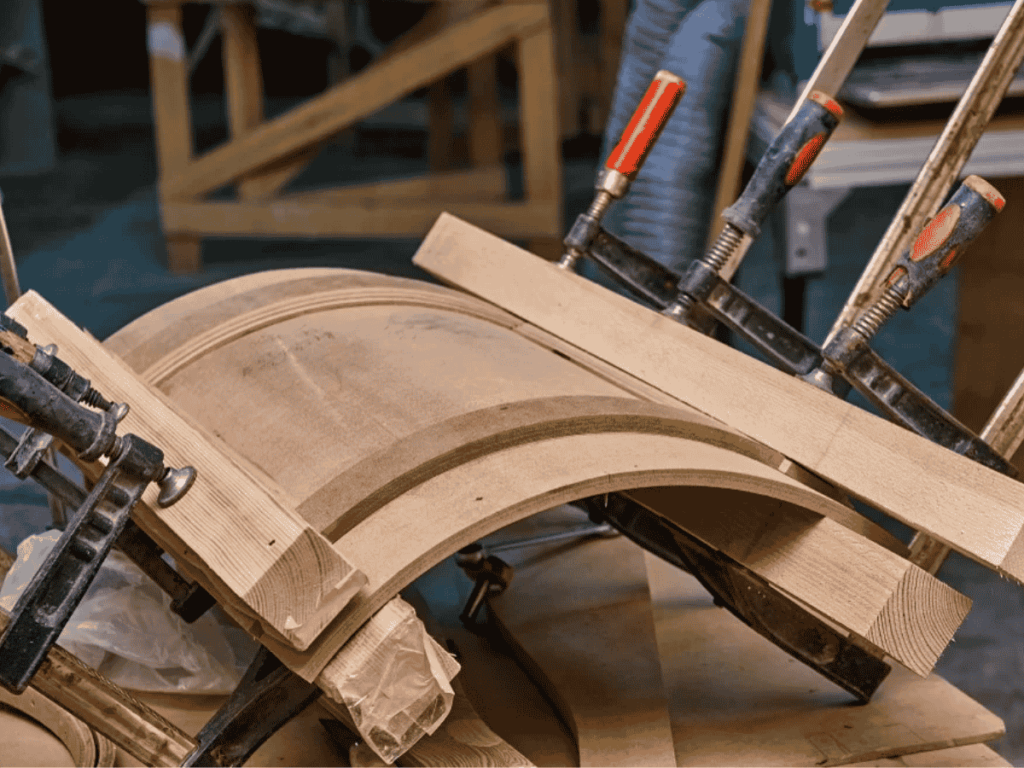
Thin plywood sheets are bent into the desired shape and then fixed in place using molds. These molds can be made from materials such as plastic, MDF, or even cardboard. The plywood is secured with clamps or straps to hold its shape. It typically takes at least 24 hours for the plywood to retain the desired shape permanently without reverting to its original form
Cold bending method
Hot bending
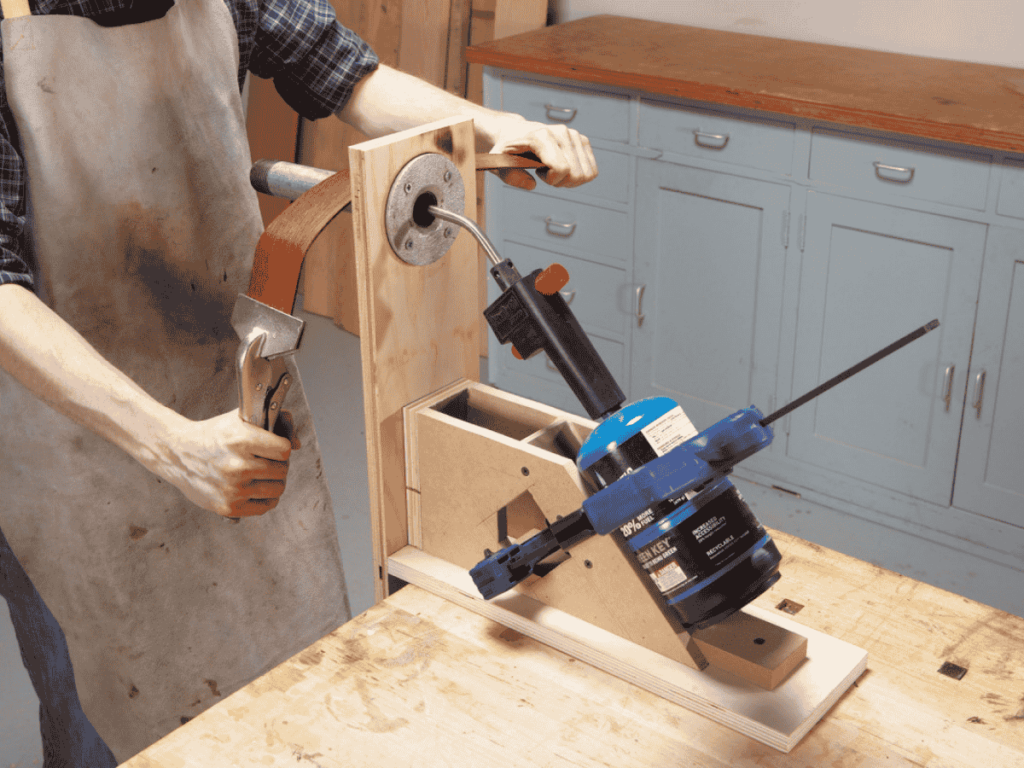
Thin plywood sheets can be softened and bent using heat, often applied through hot pipes. The hot pipe is rolled over the plywood, making it more pliable for bending. During this process, manufacturers may also use steam to accelerate heating. This method is best suited for small projects requiring minor bends in thin plywood sheets
Hot pine bending method
Steps to bend plywood
Kerf cutting is among the most effective and widely used methods for bending plywood. If you plan to undertake bending wood furniture using industrial plywood, follow these steps:
Step 1: Prepare tools and workspace
Ensure the plywood is placed on a flat surface to facilitate smooth shaping. Gather necessary tools, including a saw and other equipment, to prepare for the bending process
Step 2: Kerf cutting
Start by measuring and marking the positions for the cuts. Ensure that the cuts are parallel and evenly spaced. Use a saw to create the grooves along these marked lines. The ideal depth for the grooves is typically half the thickness of the plywood. This ensures uniform cuts while maintaining the plywood’s integrity and providing the flexibility needed for bending
Safety is paramount during this step. Wear protective gear, such as gloves and safety goggles, while cutting the plywood
Kerf cutting
Step 3: Steam the plywood (If necessary)
Heat and moisture from steam make plywood softer and more flexible. Place the plywood in a steam chamber for a specified period. The steam should penetrate evenly and thoroughly into the wood layers to maximize bending efficiency
Step 4: Bend the plywood
Once prepared, the plywood is ready for bending. Carefully and slowly bend it into the desired shape to prevent cracks or breaks. Use molds or clamps to hold the plywood in place as it takes on the new shape
Step 5: Dry the plywood
The plywood must be completely dried before removing it from the mold to ensure it retains its shape. Drying times depend on the thickness of the plywood, typically taking 2–3 days
Step 6: Finishing
After the plywood has been successfully bent, it can be sanded and painted to achieve a smooth, aesthetic finish. This final step enhances the appearance and durability of the bending wood furniture product
Bendable plywood opens up countless possibilities for creative interior and furniture designs. By mastering these techniques, you can achieve both functional and visually appealing results tailored to any bend wood furniture project
Why do people use bending plywood for furniture?
The development of wood engineering and technology has provided us with more material options. However, bendable plywood continues to hold its position in the interior design industry due to the following advantages:
Flexibility in design
Bendable plywood is easily shaped into soft, curved forms, enabling limitless creativity. This material is ideal for unique furniture pieces such as curved chairs, rounded-edge tables, or wall panels with special shapes, adding character and aesthetic appeal to any space
Bendable plywood is flexible in design
Superior durability
By nature, bendable plywood has a structure similar to other types of plywood. The strong bonding of tightly pressed veneer layers gives it excellent durability and load-bearing capacity. This ensures that the products resist warping and cracking, even after long-term use. This is one of the reason they usually use bending plywood for furniture
Additionally, the multi-step production process and the use of specialized wood adhesives make plywood resistant to moisture and termites. It is suitable for various areas in the home, from the living room and bedroom to the kitchen or even the bathroom
Easy to work with
Compared to natural wood, plywood is significantly lighter. This not only reduces the weight of furniture products but also makes it easier to transport, assemble, or relocate when needed
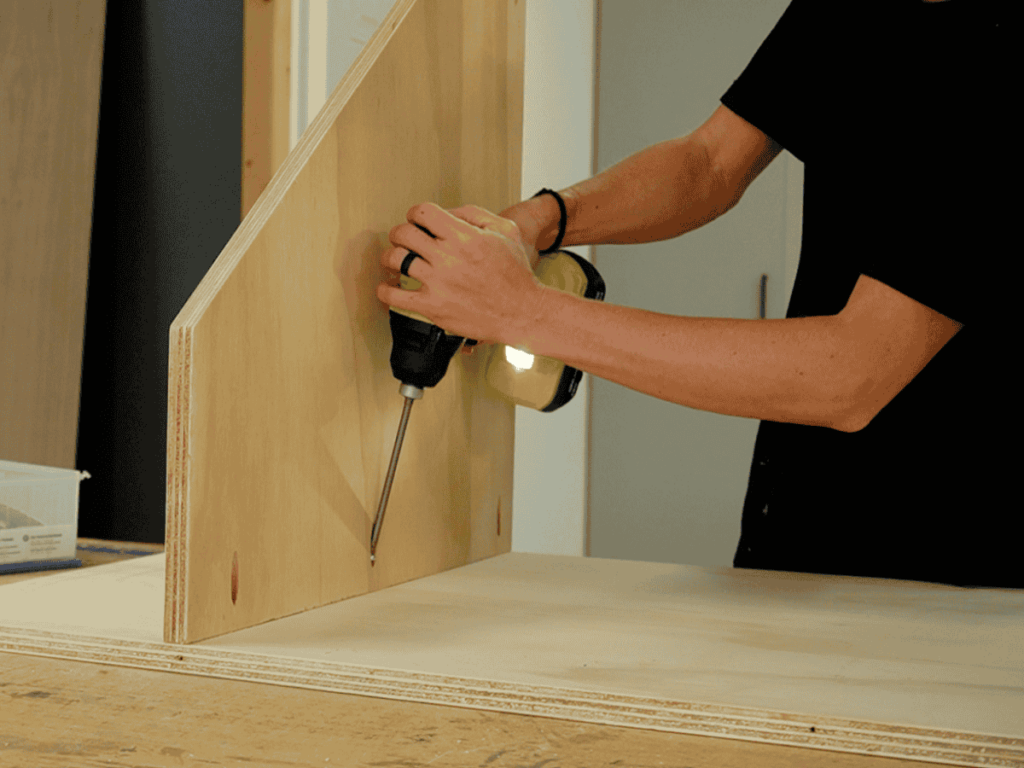
Plywood is easy for woodworking
Furthermore, thanks to its special structure, plywood is easy to cut and has good screw-holding capacity. As a result, using bending plywood for furniture make the process of manufacturing and installing becomes quicker and smoother
Outstanding aesthetics
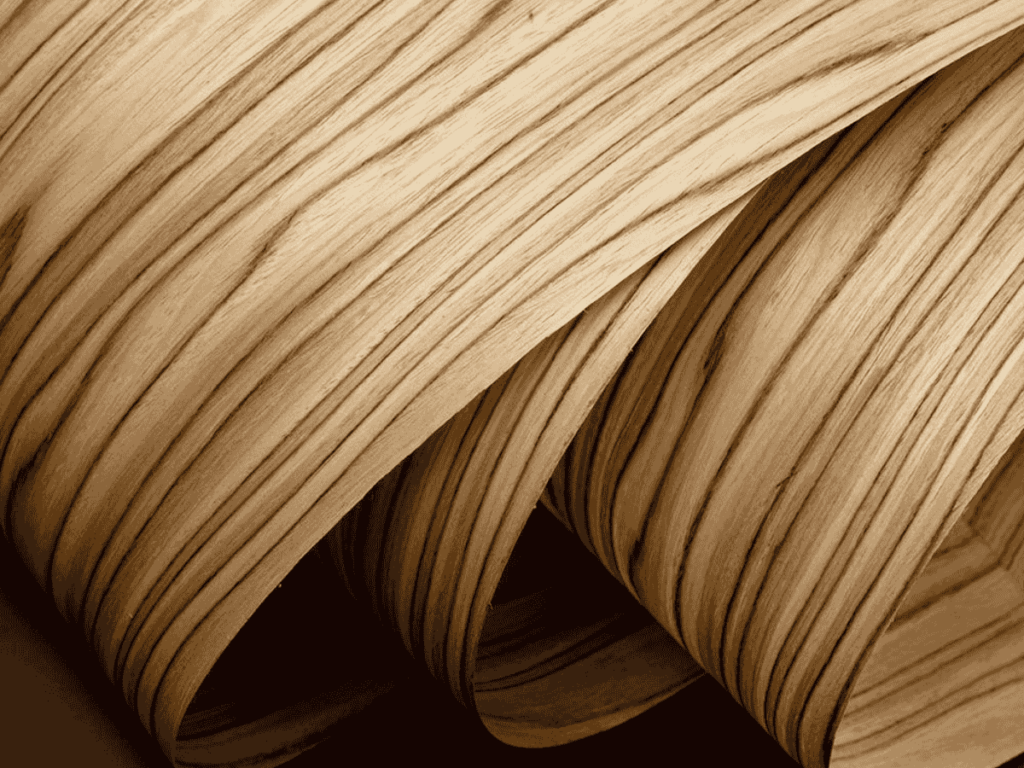
Bendable plywood offers a blend of natural and modern beauty, depending on its surface finish. Whether it is veneer, melamine, laminate, or paint, plywood can present various aesthetic qualities that suit different interior design styles
Plywood has high aesthetics
Environmentally friendly
Plywood typically uses materials sourced from plantation forests, reducing the exploitation of natural wood and helping to protect forest resources. Moreover, the plywood production process conserves materials better than solid wood, minimizing mass harvesting and aligning with today’s sustainable living trends
Plywood is environmentally friendly
Cost-effective
Compared to natural wood, plywood is considerably less expensive. This helps optimize costs in interior design and construction, especially for large-scale projects or intricate spaces that require detailed work
Prominent applications of bendable plywood in interior design
Incorporating soft curves into spaces has become a trend in interior design. Curved wood furniture not only enhances aesthetics but also brings a gentle, elegant, and refined vibe to living spaces
Here are some standout curved wood furniture from plywood:
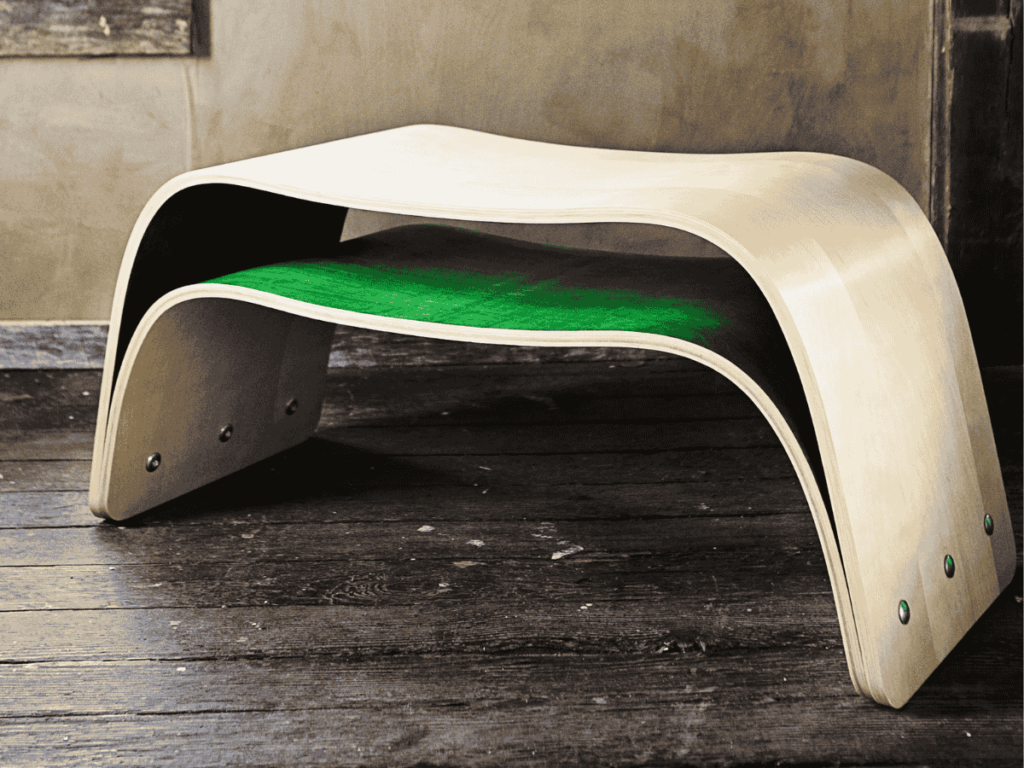
Curved wooden bench
The soft curves make long benches dynamic and sophisticated, fitting well with modern styles. The excellent load-bearing capacity of plywood ensures the sturdiness of the benches, offering great seating support. This is an ideal choice for living rooms, waiting areas, or large halls
Curved wooden bench from plywood
Bendable plywood materials not only provide high aesthetic value but also ensure long-lasting durability, making curved wooden bench suitable for various environments. Curved benches made from water-resistant plywood can even serve as elegant and practical outdoor furniture
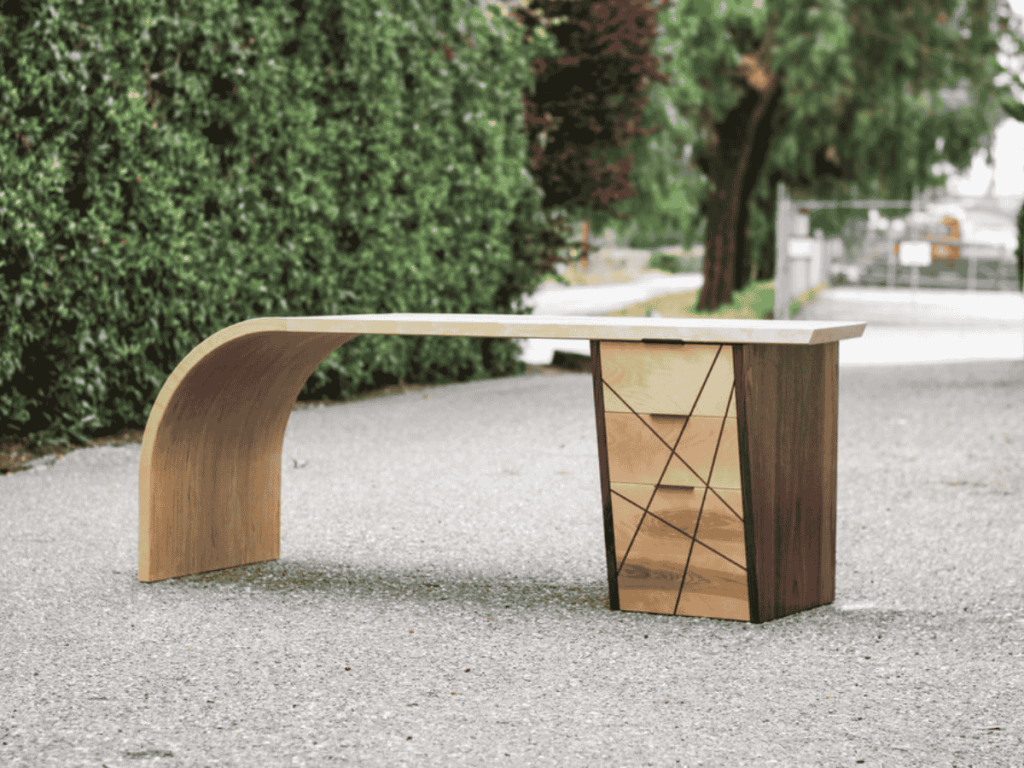
Curved wood desk
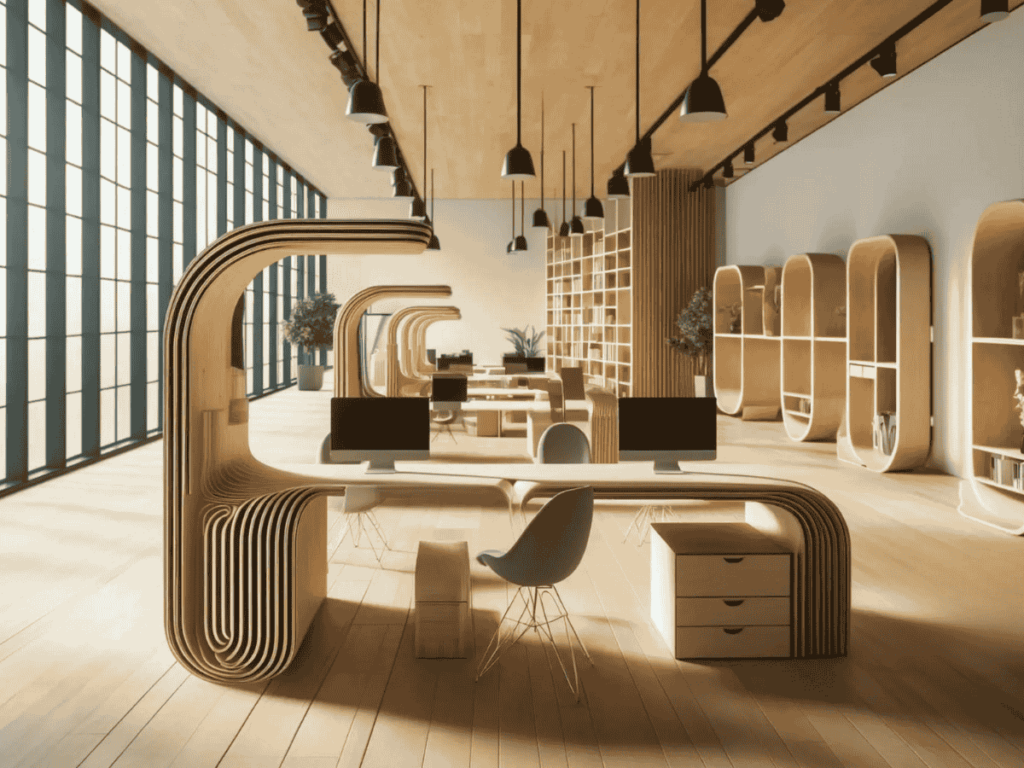
The curved wood desk made from bendable plywood showcases impressive and trendy designs through wavy or rounded details. Round or elliptical desks are particularly popular in minimalist interior spaces
Curved wood desk from plywood
In addition to being lightweight and easy to move, the curved wood desk from bendable plywood has high sturdiness, making it suitable for dining rooms, workspaces, or coffee shops
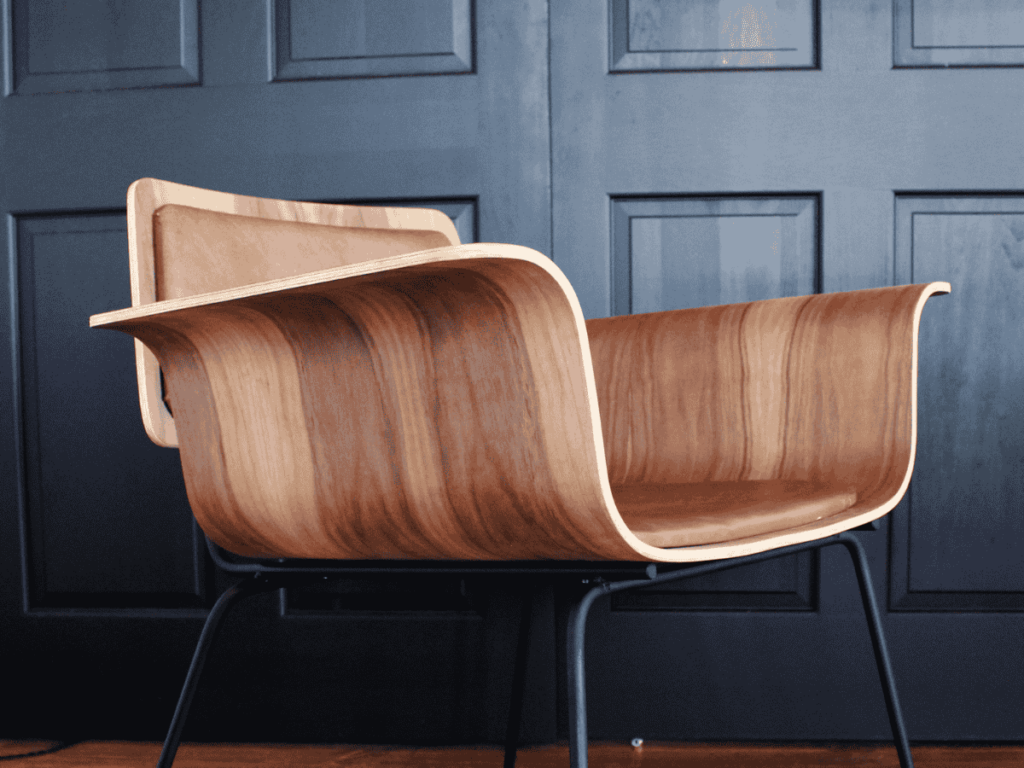
Curved wood chair
Curved wood chair made from bendable plywood is an iconic representation of functionality and aesthetics. The curved backrests are designed to embrace the body, providing maximum comfort. Iconic models such as the Eames Lounge Chair or Plywood Chair have become symbols in furniture design
Curved wood chair from plywood
With diverse styles, bendable plywood chairs are suitable for offices, dining areas, restaurants, or coffee shops. Thanks to their versatility, bendable plywood lounge chairs are increasingly used in various spaces
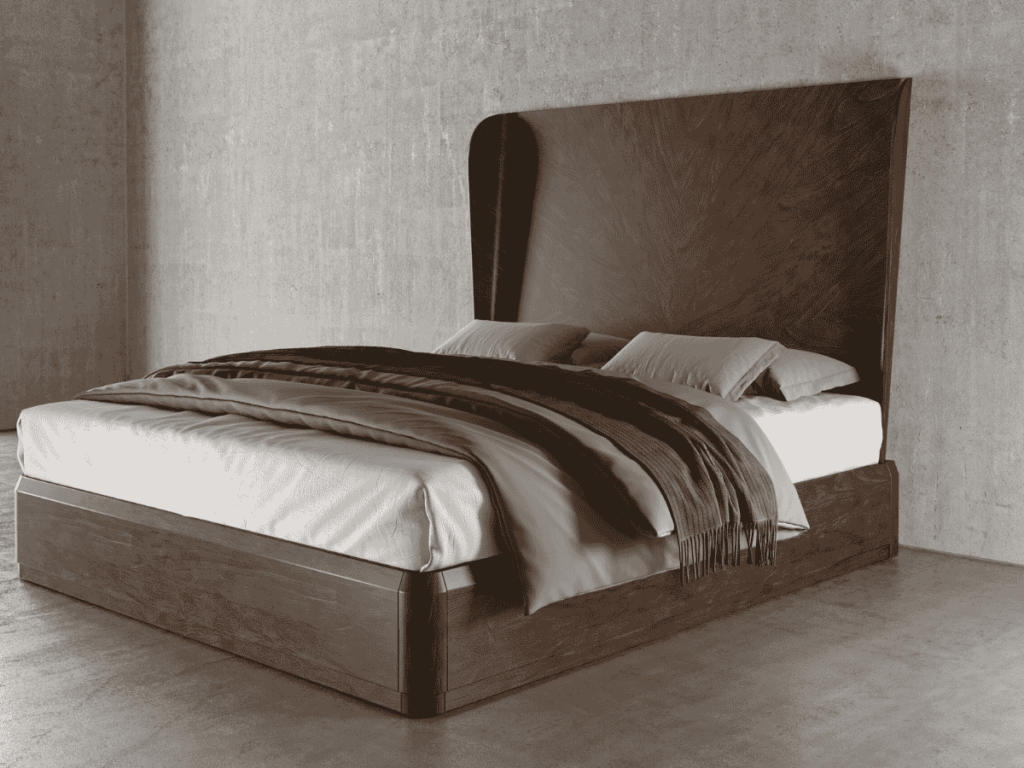
Curved wood headboard
Headboards crafted from bendable plywood are often designed with sleek shapes, adding softness and modernity to bedroom spaces. The surfaces can be rounded or wavy, enhancing aesthetics while providing a sense of safety and relaxation. Some headboard models integrate storage compartments or small shelves, offering convenience and space-saving features
Curved wood headboard from plywood
Bendable plywood not only ensures durability and beauty but also blends effortlessly with various interior styles, from minimalist to modern. Curved wood headboard is an excellent choice for those looking to add subtle and unique touches to their bedrooms
Bendable plywood is considered a special “version” of plywood. Not only does it possess the outstanding advantages of plywood, but it also allows for unlimited creativity, delivering unique aesthetics for interior design and construction. Fiber Wood hopes this article has provided you with valuable insights into bendable plywood.